
Project DeliveryFebruary 10, 2024•6 min read
The Hidden Coordination Risks in Commercial Energy Projects
S
Solora Engineering Team
Solora Energy
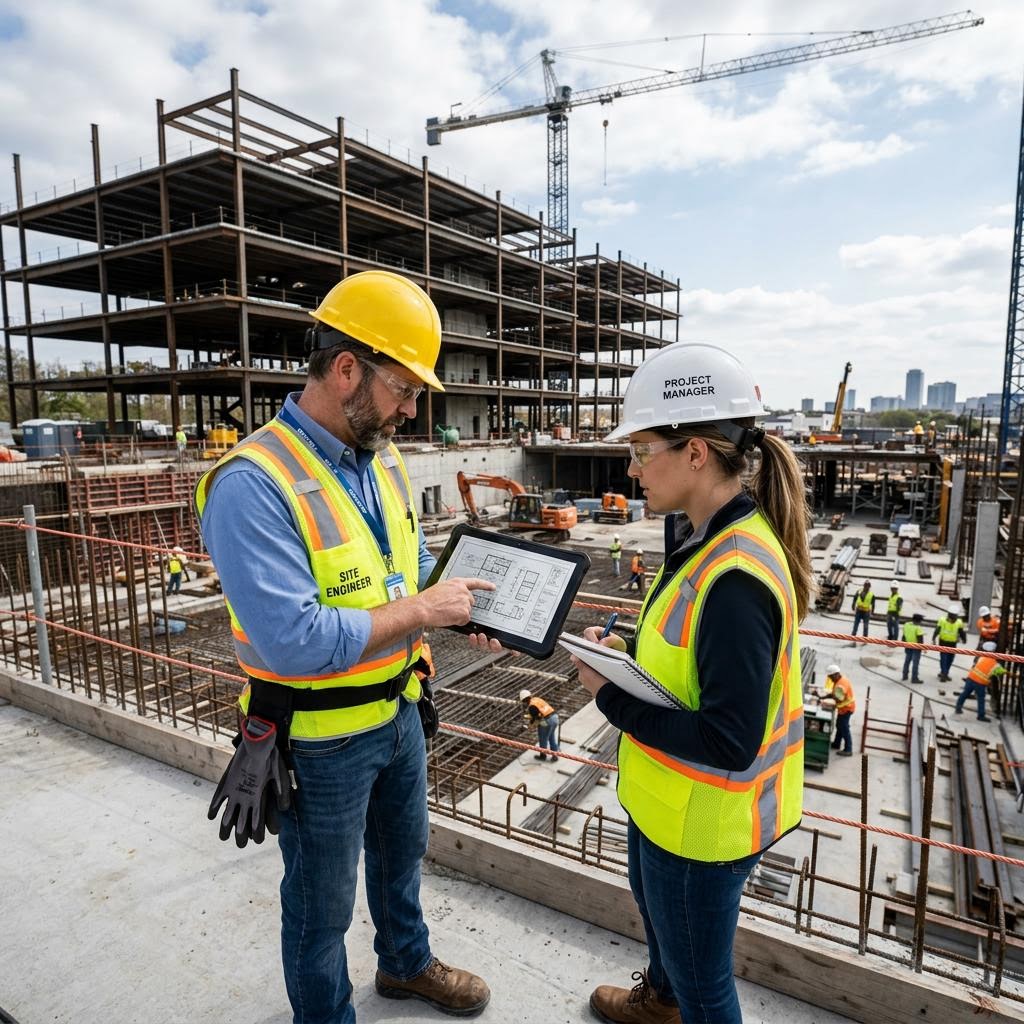
  Most commercial energy projects don't fail because of a single bad decision. They stall because of an accumulation of small coordination gaps that nobody owns. Design, permitting, procurement, and construction each move on their own schedule, and the handoffs between them are where projects quietly lose months.

  ## 1. The Design-to-Permitting Gap
  A design package that is "complete" from an engineering standpoint isn't always complete from a permitting standpoint. Different AHJs and utilities have different documentation expectations, and discovering a gap after submittal means a full review cycle lost. Coordinating design deliverables against the specific permitting authority's checklist before submittal — not after a rejection — is the single highest-leverage fix available.

  ## 2. Procurement Timelines That Don't Match Construction Sequencing
  Long-lead equipment, particularly switchgear and specialized inverters, is frequently ordered against a generic project timeline rather than the actual construction sequence. If procurement isn't actively tracked against field milestones, equipment either arrives too early (creating storage and handling costs) or too late (idling crews on site).

  ## 3. RFIs That Sit Unanswered
  Requests for information from the field are often routed to whoever last touched a design element, rather than to a single accountable point of coordination. Unanswered RFIs are one of the most common causes of construction delay, and the delay compounds: crews move to other tasks, sequencing shifts, and the original RFI gets deprioritized further.

  ## 4. Utility and Inspection Scheduling Treated as an Afterthought
  Interconnection approval and inspection windows are often booked weeks or months in advance. Projects that don't proactively schedule these milestones against the construction timeline frequently finish physical work only to wait on a utility or inspector calendar slot — a delay that was entirely avoidable with earlier coordination.

  ## The Solora Approach
  We assign a single point of coordination across design, permitting, procurement, and construction so gaps between phases are caught before they cost schedule. Momentum on complex energy projects comes from active tracking of every handoff, not from any one phase being executed perfectly in isolation.