
Utility InterconnectionFebruary 28, 2024•4 min read
Preserving Existing Interconnection Rights During Equipment Replacement
S
Solora Engineering Team
Solora Energy
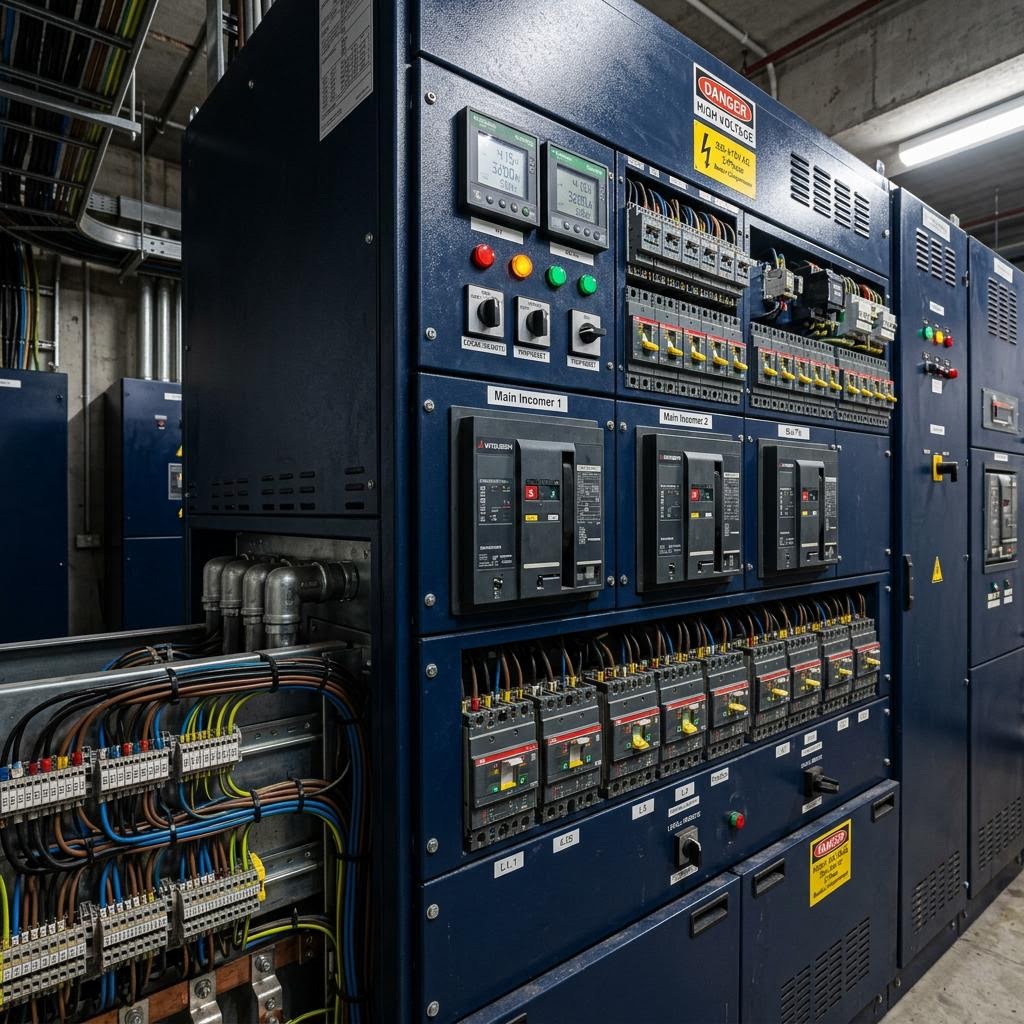
  Interconnection rights are one of the most valuable and least visible assets attached to an existing solar system. A legacy net-metering agreement, an early interconnection queue position, or a grandfathered tariff can be worth more over a system's remaining life than the hardware itself. Equipment replacement projects put that value at risk if they aren't planned with the utility relationship in mind.

  ## 1. Know What You're Protecting Before You Touch Equipment
  Before specifying a single replacement component, pull the original interconnection agreement and any subsequent amendments. Identify the exact terms tied to the system's current configuration: rate class, capacity limits, metering configuration, and any legacy program enrollment. This baseline determines how much flexibility exists in the equipment selection process.

  ## 2. Inverter Swaps Are Not "Like-for-Like" in the Utility's Eyes
  Even a direct wattage-for-wattage inverter replacement can change characteristics the utility cares about: fault current contribution, anti-islanding behavior, or communication protocol. Many utilities require a new or amended interconnection application whenever equipment specifications change materially, regardless of whether system capacity changes. Confirm this requirement early rather than after equipment has shipped.

  ## 3. Adding Storage Changes the Application Entirely
  Retrofitting battery storage onto an existing PV interconnection is rarely a simple addendum. Most utilities treat storage-inclusive systems as a distinct interconnection category with its own technical review, requiring updated one-line diagrams, updated protection settings, and sometimes a new export limit determination. Plan for a separate technical review track and timeline.

  ## 4. Documentation Discipline Prevents Reopened Reviews
  Utilities that see incomplete or inconsistent documentation will often broaden the scope of their review, which can pull previously grandfathered elements back into question. Submitting a complete, well-organized package — updated single-lines, equipment cut sheets, settings tables, and a clear explanation of what is and isn't changing — reduces the chance that a routine equipment swap turns into a full re-evaluation of the interconnection agreement.

  ## The Solora Approach
  We treat every equipment replacement as an interconnection event first and an engineering exercise second. Before recommending hardware, we map the utility's likely response and structure the application to keep the existing agreement's protections intact wherever possible.